
Key Takeaways
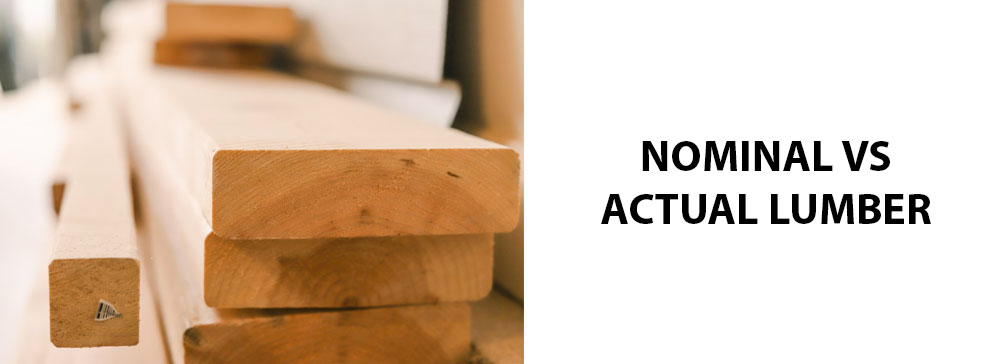
- Nominal size is the trade name used to identify a piece of lumber. These names originated from the approximate size of rough lumber before drying and surfacing. Actual size refers to the finished dimensions of the lumber.
- Dimensional lumber is commonly used for studs, plates, joists, rafters, headers, blocking, and other structural framing applications. It is typically identified by nominal thickness, nominal width, and length.
- Finished lumber dimensions are smaller than nominal dimensions, but the amount of reduction varies depending on the nominal thickness and width of the board.
A 2×4 does not actually measure 2 inches by 4 inches. Although this distinction may seem basic, confusing nominal and actual lumber dimensions can lead to errors in wall layouts, openings, material calculations, and construction details. A nominal 2×4, for example, typically has finished dimensions of 1½ inches by 3½ inches.
This guide explains what nominal and actual lumber dimensions mean, why the measurements differ, and why using the correct dimensions matters when reading plans, preparing material takeoffs, and ordering lumber.
Nominal vs Actual Lumber Sizes
What’s the difference between nominal vs actual lumber?
Nominal lumber is the standardized name used to identify and order dimensional lumber. The terminology originated from the approximate dimensions of rough lumber before it was dried and surfaced.
Actual lumber size is the finished measurement after the board has been dried and surfaced. The final dimensions are affected by moisture loss, surfacing, and standardized manufacturing requirements.
Construction details and material calculations must account for actual dimensions. A wall framed with nominal 2×4 studs, for example, has a framing depth of 3½ inches before drywall, sheathing, or other finishes are added.
Nominal Lumber Dimensions
Nominal lumber sizes are used for dimensional lumber, which is lumber that comes in a standardized thickness x width x length. Dimensional lumber is commonly manufactured from softwood species such as pine, spruce, fir, and Douglas fir. It is used for framing members such as studs, plates, joists, rafters, headers, and blocking.
Understanding the Dimensions
Lumber is commonly identified by nominal thickness and width, followed by its length. For example, a 2x4x10 identifies a board with a nominal thickness of 2 inches, a nominal width of 4 inches, and a length of 10 feet.
At retail locations, nominal lumber dimensions are generally accompanied by the corresponding actual or minimum surfaced dimensions on the product label, shelf tag, packaging, or a nearby size chart.
Why Are the Nominal Dimensions Larger?
Historically, nominal lumber names were based on the approximate dimensions of rough-sawn boards. During drying and surfacing, the boards became smaller. Modern lumber is manufactured to standardized finished dimensions, but the traditional nominal names remain in use.
Today, 2x4s are cut slightly smaller before being processed, but the same nominal sizes are still used. Softwood lumber sizes are standardized through the U.S. Department of Commerce’s American Softwood Lumber Standard, commonly referred to as PS 20. The nominal name was kept because it’s what builders, plans, and building codes had referenced for decades.
Actual Lumber Dimensions
Actual dimensions refer to the finished measurements of the lumber after drying and surfacing. Standard dry lumber dimensions generally apply to lumber manufactured at a moisture content of 19% or less. Actual dimensions are used when evaluating finished assemblies, clearances, layouts, and construction details. Under the American Softwood Lumber Standard, the most common standardized dimensions include:
| Nominal | Actual |
| 1×2 | ¾” x 1½” |
| 1×3 | ¾” x 2½” |
| 1×4 | ¾” x 3½” |
| 1×6 | ¾” x 5½” |
| 1×8 | ¾” x 7¼” |
| 1×10 | ¾” x 9¼” |
| 1×12 | ¾” x 11¼” |
| 2×2 | 1½” x 1½” |
| 2×3 | 1½” x 2½” |
| 2×4 | 1½” x 3½” |
| 2×6 | 1½” x 5½” |
| 2×8 | 1½” x 7¼” |
| 2×10 | 1½” x 9¼” |
| 2×12 | 1½” x 11¼” |
| 4×4 | 3½” x 3½” |
| 4×6 | 3½” x 5½” |
| 6×6 | 5½” x 5½” |
Softwood Lumber Sizes
Softwood framing lumber is available in a wide variety of nominal sizes and lengths. Availability varies by product type, species, grade, supplier, and region.
Softwood Dimension Lumber Sizes
Softwood is surfaced on all four sides (S4S) and sold by softwood dimension lumber sizes. Most standard dimensional framing lumber is surfaced and sold according to standardized nominal and actual dimensions. Lumber marked S-DRY or KD generally has a maximum moisture content of 19%, while lumber marked MC-15 or KD-15 has a maximum moisture content of 15%.
Green lumber has a moisture content greater than 19% and may be surfaced to dimensions that allow for additional shrinkage as it dries. Finished dimensions may vary by species, product, and applicable grading rules.
Why Actual Lumber Dimensions Matter in a Material Takeoff
Nominal dimensions are commonly used on plans and material lists, but actual dimensions determine how framing members fit together in the finished assembly. This can affect wall thicknesses, rough openings, header assemblies, joist and rafter layouts, blocking, backing, and other framing details.
An estimator must understand when the plans are using a nominal product description and when an actual measurement is required. Using the wrong dimension can result in incorrect quantities, inaccurate assemblies, or material descriptions that do not match the intended construction.
Conclusion
Nominal lumber dimensions are standardized trade names, while actual dimensions describe the finished size of the board. The difference results from the history of rough-sawn lumber sizing, drying, surfacing, and modern manufacturing standards. Nominal sizes are typically used to identify and order lumber, while actual dimensions are important when reviewing assemblies, calculating clearances, and interpreting construction details.
Correctly interpreting lumber sizes is only one part of preparing a dependable material list. Cooper Takeoffs reviews construction plans and produces detailed material quantity takeoffs for residential and commercial projects. Our takeoffs help lumberyards, contractors, and construction professionals prepare orders, review material requirements, and reduce the time spent calculating quantities.
Send us your construction plans to get started, or email our team at team@coopertakeoffs.com to discuss your project.
FAQs
Why isn’t a 2×4 actually 2 by 4 inches?
The name 2×4 comes from the approximate size of the board before it is dried and surfaced. As the lumber dries, it can shrink, and planing removes additional material to make the faces and edges smooth and consistent. That leaves a standard finished size of about 1½ inches by 3½ inches.
What are the standard lumber sizes?
Dimensional lumber is sold by its nominal size and is commonly used for framing and general construction. Common sizes include:
- 2×4
- 2×6
- 2×8
- 2×10
- 2×12
Common stock lengths include 8, 10, 12, 14, and 16 feet, although other lengths may be available depending on the supplier and product.
How do I interpret the dimensions like 2x8x12 in lumber?
Lumber dimensions can be read as thickness x width x length.
A 2x8x12 means:
- 2 inches nominal thickness, with an actual thickness of about 1½ inches
- 8 inches nominal width, with an actual width of about 7¼ inches
- 12 feet long
The first two numbers are usually nominal measurements in inches, while the last number is the length in feet.